
Live-in care
Live-in care in the comfort of home
Continuous support from a carer who lives in the home — protecting routine, companionship, and independence without moving to a care home.
Understanding the service
What live-in care actually means
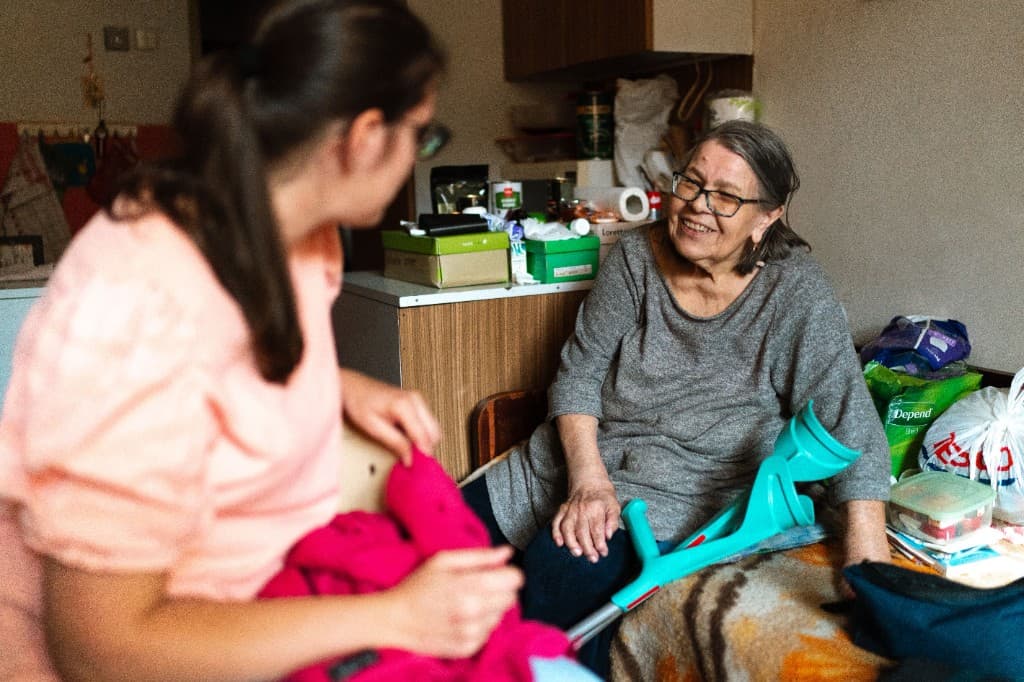
Live-in care means a carer lives in the person’s home to provide ongoing support across the day, with agreed arrangements for rest and nights. It is often considered when visiting calls are no longer enough, or when someone wants continuous presence without leaving home for residential care.
It is different from a care home: the person stays in their own rooms, among their own things, with support shaped around their household. Exact rotas, sleep arrangements, and breaks vary by package — we confirm those details for your situation rather than promising a single standard pattern on this page.

Who it may help
Who may consider live-in care
Families often explore live-in care when:
- Needs run through the day and cannot be covered by short visits alone
- Someone wants to remain at home after a hospital stay or bereavement
- A couple wants support that keeps them together in their own house
- Dementia or frailty means unsupervised stretches feel unsafe
- Family live too far away to provide continuous cover
What support can involve
What live-in support can involve
A live-in package may include:
Live-in carers need suitable accommodation and clear rest periods. We will discuss household practicalities early.
- Personal care and help with getting ready across the day
- Meals, drinks, and keeping the home running smoothly
- Companionship and shared daily routines
- Support with appointments and community access when planned
- Night-time availability according to the agreed sleep or waking arrangement
Arranging support
How to arrange live-in care
Live-in care needs a careful look at the whole day and night — and whether the home can comfortably support a carer living in.
Describe a full day and night
We ask about morning-to-night routines, what feels unsafe when someone is alone, and what ‘continuous support’ would mean in your household.
Check the home is ready
A private place for a carer to sleep and store belongings, plus agreement on shared spaces, matters as much as the care tasks themselves.
Agree a plan that can adapt
Needs change. If visiting care becomes enough again — or if more support is needed — the arrangement should be reviewed openly.

For families
What families should know
- Live-in care is not automatically nursing care. Clinical procedures need the right competencies and pathways.
- Carers need breaks. Continuous presence is planned with rest in mind — not endless availability without sleep.
- Matching personality and household fit is essential; introduce preferences early.
Questions
Frequently asked questions
Is live-in care the same as 24-hour waking care?
Not always. Some packages include sleep-in nights; others need waking support. Frequent night interventions usually require a different pattern — we will be honest about what fits.
How is this different from overnight care?
Overnight care focuses on the night period. Live-in care covers ongoing presence across the wider day, with night arrangements agreed as part of the package.
Can live-in care work for dementia?
Yes, many families choose it so someone can stay in familiar surroundings. See also our dementia and Alzheimer’s care pages for condition-informed context.
Talk to us
Let's talk about whether live-in care is right
Describe a full day and night at home. A calm conversation can help establish whether continuous support is suitable — and what the household would need to make it work.