Disability support
Acquired brain injury support at home
Patient, structured home support after acquired brain injury — helping with daily living while specialist rehab pathways continue.
Understanding the service
ABI support needs pacing, consistency, and good information
Acquired brain injury can affect movement, memory, concentration, behaviour, fatigue, and communication. Recovery often involves NHS or specialist rehabilitation. Home care helps with the practical layer of daily life.
We do not claim to replace neuropsychology or specialist rehab. We support agreed routines and personal care with clear communication and careful handovers.

Who it may help
When ABI home support is considered
Families and professionals often enquire when:
- Someone is home after injury or illness affecting the brain
- Fatigue and cognitive load make unsupervised days unsafe
- Personal care and household routines need structured help
- Therapy goals need a consistent home environment
What support can involve
What support can involve
Examples include:
Specialist clinical interventions require confirmed competencies and clinical direction.
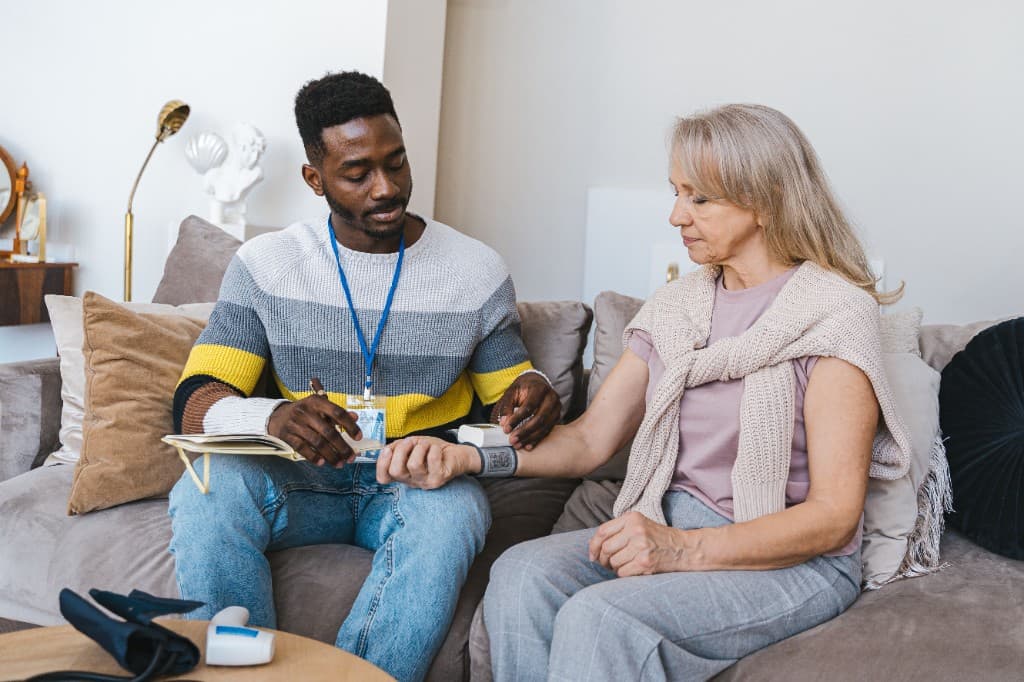
- Personal care paced around fatigue
- Prompting routines, medications (as agreed), and appointments
- Help with meals and a predictable daily structure
- Companionship that reduces isolation without overstimulation
- Following therapy advice shared by clinical teams
Arranging support
How to arrange support
Specialist support starts with a careful conversation. Tell us what matters most, who else is involved, and we will be honest about how we can help at home.
Share what matters most
Tell us about strengths, everyday challenges, communication preferences, and any professionals already involved — social workers, therapists, or specialist teams.
Understand what we can help with
We focus on practical home support. Where specialist skills are needed, we confirm what we can safely provide before making promises.
Stay in touch as needs change
Support often evolves. We agree how updates will be shared with family and, where helpful, with the professionals already supporting you.

For families
What families should know
- Charities such as Headway can offer ABI-specific family information.
- Behaviour and fatigue can fluctuate — plans should allow for bad days.
- Seek urgent clinical advice for sudden neurological changes.
Questions
Frequently asked questions
Is ABI the same as stroke care?
Stroke is one cause of acquired brain injury. Our stroke care page focuses on post-stroke recovery; this page covers the wider ABI context. Both may be relevant.
Do you provide cognitive rehabilitation?
Specialist cognitive rehab is a clinical service. We can support daily living in line with advice from those teams.
Talk to us
Let's talk about support after brain injury
Share therapy plans and what daily life looks like now — including fatigue and concentration. We will talk through practical home support that respects recovery pacing.